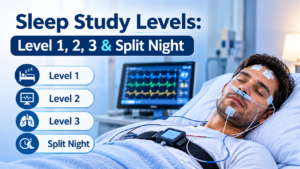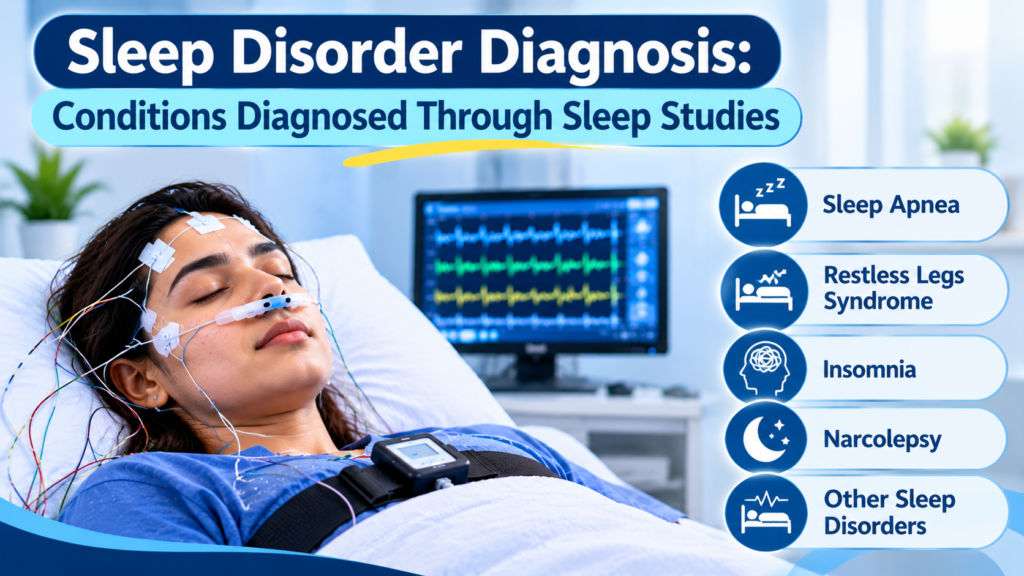
Sleep Disorder Diagnosis involves identifying the root cause behind sleeping issues like difficulty falling asleep, frequent night time awakenings, loud snoring, interrupted breathing during sleep, excessive daytime sleepiness.
Doctors start with examining your medical history, sleep habits, and symptoms. Based on the suspected condition, they may recommend a sleep diary, physical examination, polysomnography (PSG), a home sleep apnea test, actigraphy or a Multiple Sleep Latency Test (MSLT).
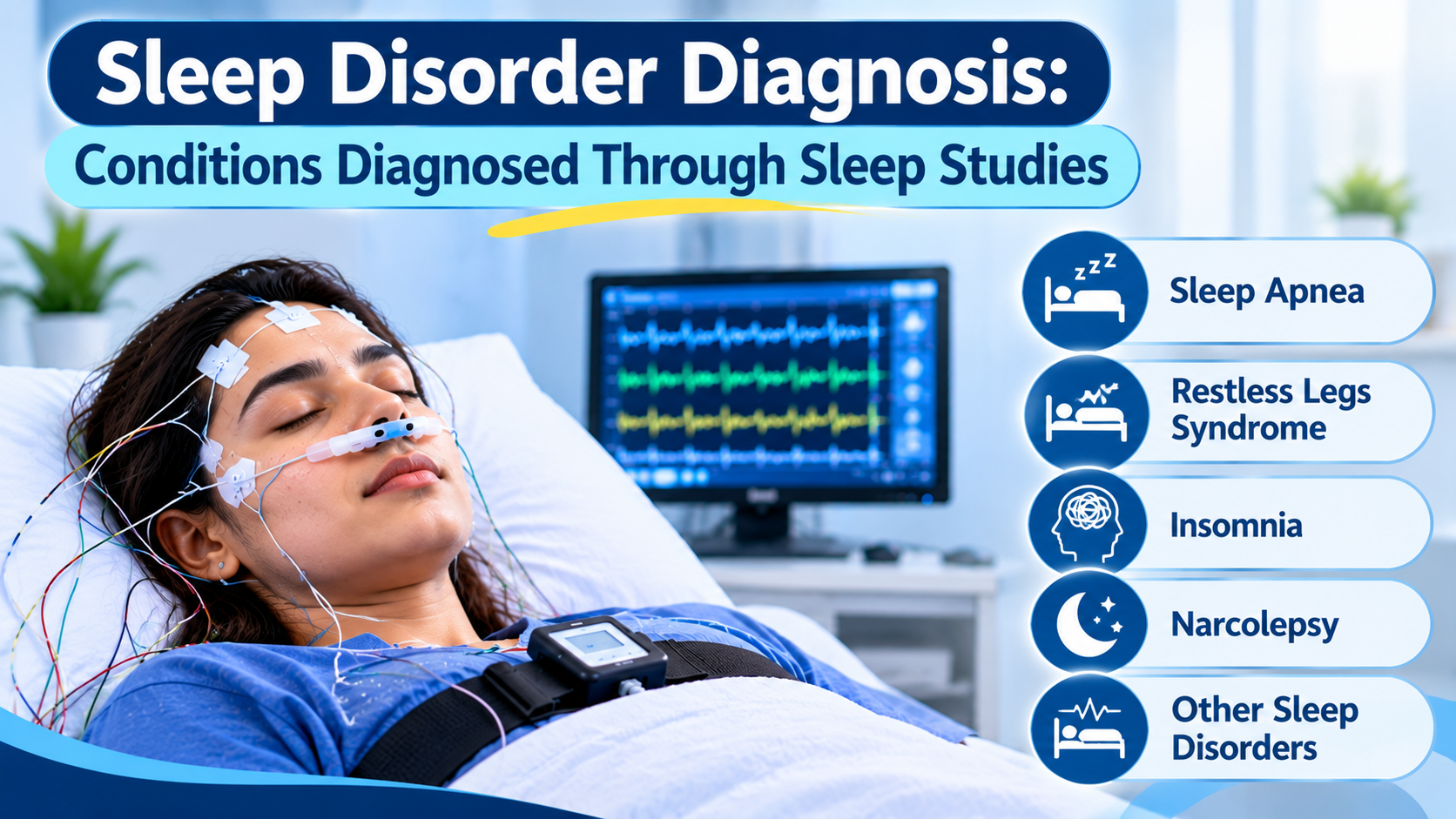
However, it is important to note that not every sleep disorder requires an overnight sleep study. Some conditions such as restless legs syndrome and insomnia can often be assessed through symptoms and clinical evaluation. Other important conditions include obstructive sleep apnea, narcolepsy, and certain sleep-related movement disorders, which might require specific diagnostic tests. Read the complete guide to get more information on sleep disorder diagnosis.
What Are Sleep Disorders?
Sleep disorders are conditions that impact the quality, timing, duration, and regularity of sleep. They make it difficult to sleep, remain asleep, wake up at the desired time, or stay alert during the day.
Sleep disorders are a wide range of sleeping problems that develop in an individual, which add to discomfort and cause many health consequences. These conditions affect the ability to get the required amount of rest for the body and impact sleep quality.
What Are Symptoms of Sleep Disorders?
You can confirm a valid sleep disorder exists if you observe any one of the following.
- You observe regular trouble sleeping.
- You feel tired during the day and are not able to get proper sleep at night.
- Frequent difficulty performing daytime routines or activities.
- You observe frequent snoring, choking, or gasping during sleep.
- The feeling of constant movement even when you are resting might be an active sign of a sleep disorder.
- No energy when you wake up.
- Trouble managing emotions or irritability
- Difficulty in meeting deadlines and performance expectations at work.
If you feel like you are not able to get better rest or have symptoms that affect your daytime activities, then you should get a sleep study test.
How to Diagnose Sleep Disorders?
You can perform a physical exam or tests to check your overall health, understand or pinpoint health issues with routine checkups, which would help you make recommendations for additional tests based on the symptoms found.
- Sleep study tests are very effective in finding issues related to sleep.
- You can use an overnight oximeter test device to study your oxygen level, pulse rate, and motion patterns from the comfort of your home.
When you have the test report, it can be used by healthcare professionals to understand the main causes of your health concerns.
- You might be asked to tell more about your sleep routine that tells your sleeping habit, when you wake up each day, naps routine, and more.
- You will be asked how you feel when you wake up.
- How your energy level stays up throughout the day. Does it drop during a specific time or not?
- A smart device might help you keep a note of your daily cycles and activities.
A sleep study test (polysomnogram) helps you record your brain activity while you are asleep. This recorded data will help healthcare providers know whether or not you have a sleep disorder.
Most of the time, doctors start by having a simple conversation with you about your medical history, sleep logs, daily activities, and more. Tests are recommended when there is still uncertainty in reaching a conclusion related to the cause of your sleep problem.
1. Medical history & physical examination
When you visit your doctor and discuss your potential sleep disorder(s), he/she will first want to know things like
- When do you go to bed?
- How long does it take you to fall asleep?
- How many times per night do you wake up?
- How do you feel throughout the day?
- Do you ever experience daytime fatigue?
- Have you ever been told that you snore?
- What medications are you taking?
- Do you consume too much caffeine?
- Do you drink too much alcohol?
- Has anyone else observed any behaviors that could indicate a possible sleep disorder?
A healthcare expert will then perform a physical examination to look for signs that may suggest why you might be experiencing a sleep disorder.
They will measure your weight, blood pressure, your neck circumference and size, shape of your nose, and the size/thickness of your throat; this is because if your airways are smaller than normal, it increases your risk of developing sleep apnea.
2. Sleep Diary & Questionnaires
This involves keeping a sleep log of the activities related to where you slept for a specific period of time. In this log, you will report your bedtime, waking time, naps taken during the day, and any unusual awakenings during nighttime.
There are short questionnaires that provide additional information to the doctor by adding scores to the overall picture. For example, the Epworth Sleepiness Scale assesses how likely you would be to doze off in various everyday situations such as reading, watching TV, or sitting in traffic.
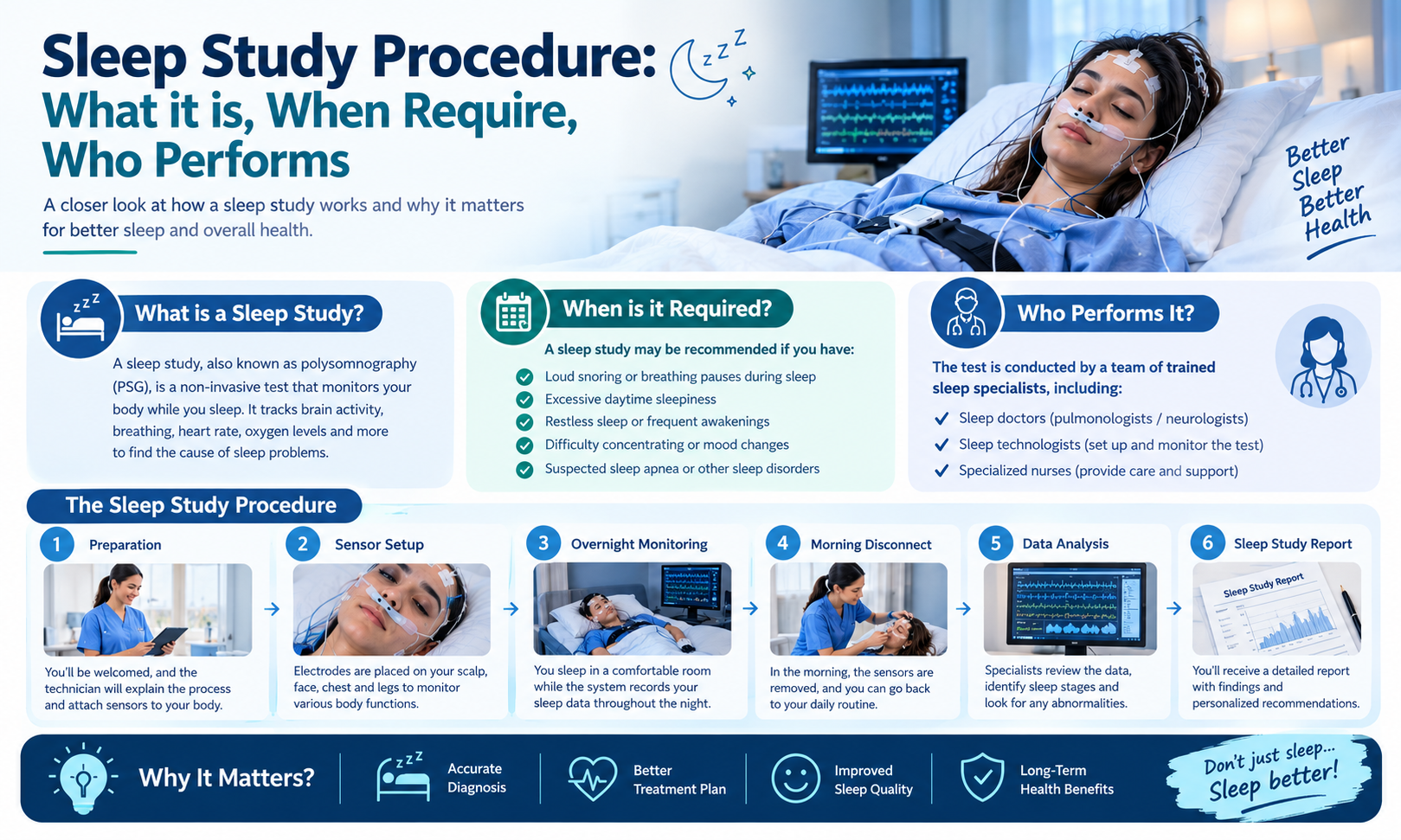
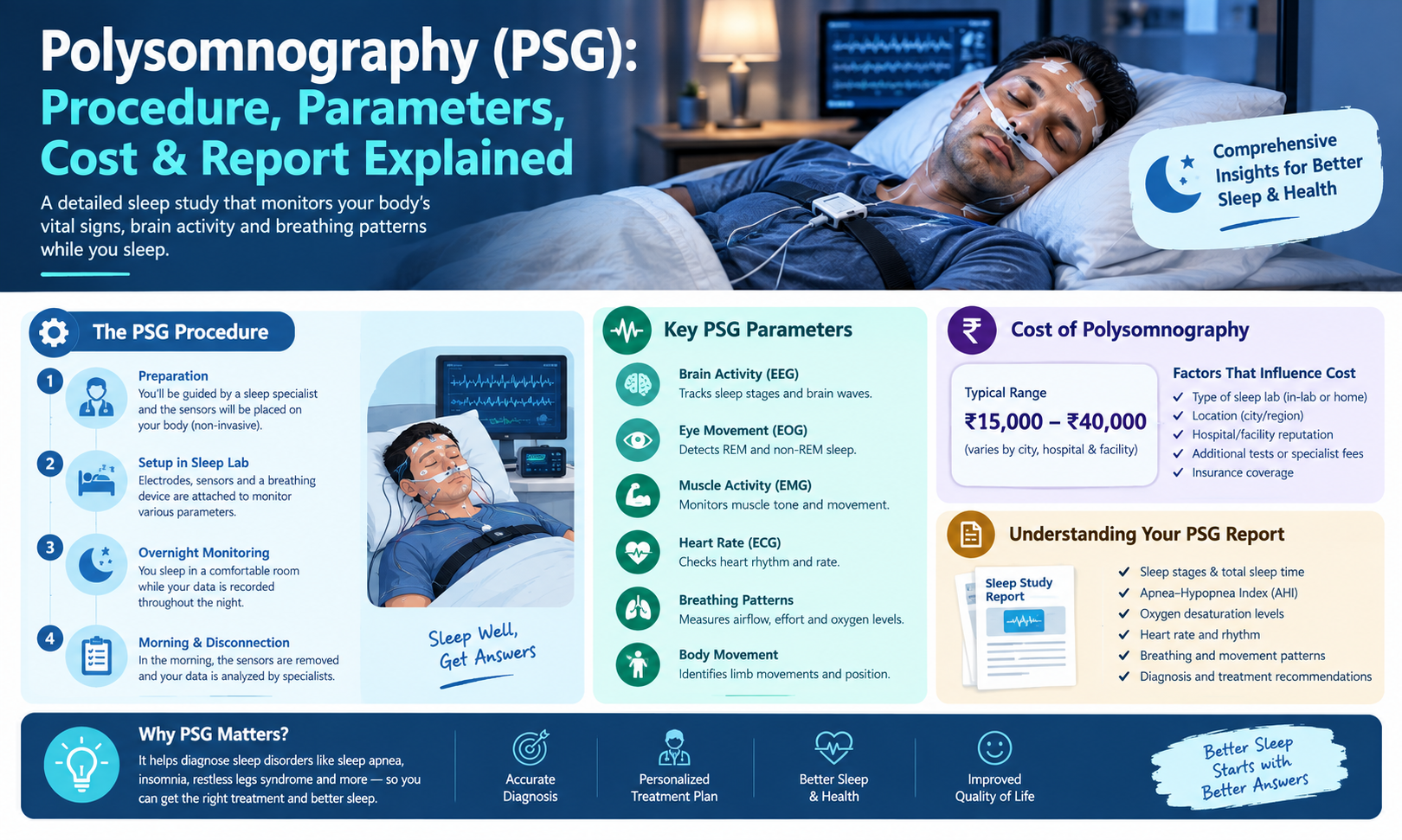
3. Sleep study (polysomnography)
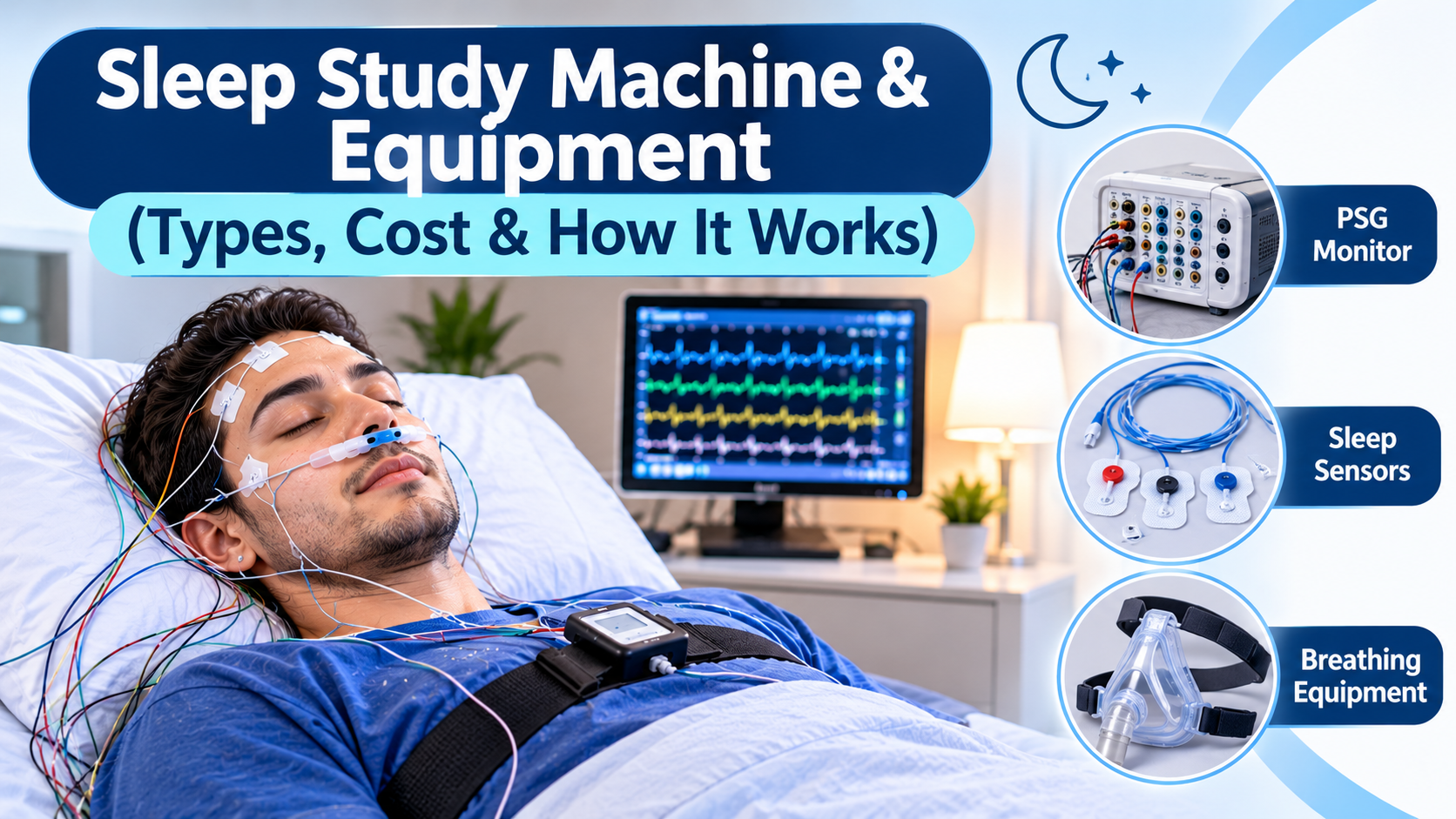
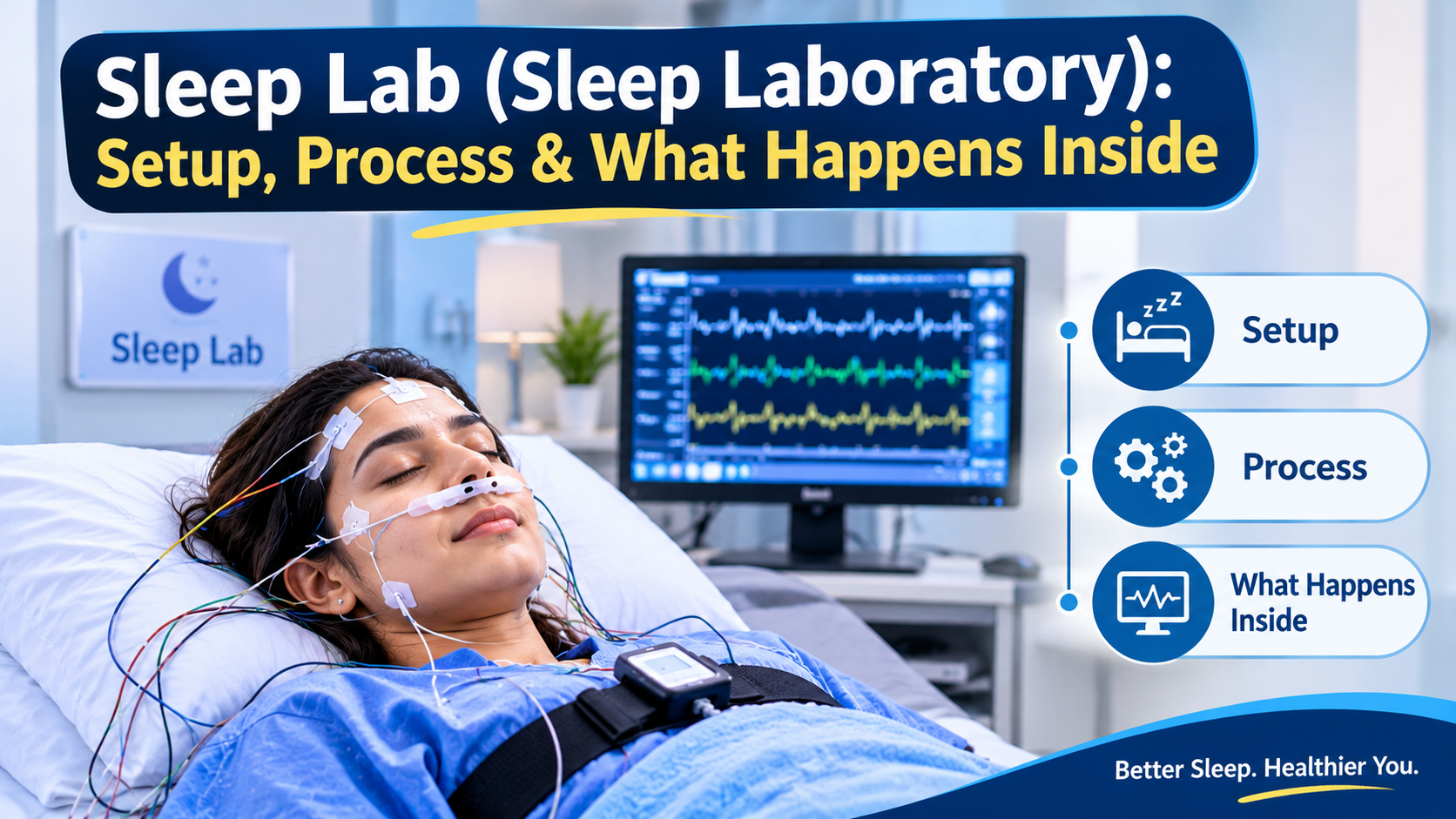
A polysomnogram (sleep study) is the most comprehensive sleep disorder test available. During this study, you sleep with the machine attached to your body. A technologist will attach sensors and electrodes to allow the sleep study technician to distinguish between periods of sleep and wakefulness. These include brain wave patterns, eye movements, muscle activity, and heart rhythms and rate.
Many people wonder how well they will be able to sleep in a strange environment. Fortunately, accurate results don’t require that you get a good night’s sleep. Therefore, even if you feel uncomfortable and had a poor night’s sleep, the results from the study should still be valuable.
4. At Home Sleep Study
Breathenest offers an at-home sleep study machine with an easy-to-use interface that can be used by individuals to conduct sleep diagnoses from their comfort place rather than going to hospitals.
This equipment gives you the leverage of checking your sleep conditions from your own bed at a comparatively lower cost. A technician will be guiding you through the process. Test reports are given very soon by an expert health technician.
The Breathenest sleep condition device is approved by the Federal Drug Administration (FDA) for conducting an inspection of sleep conditions. You can easily find conditions like excessive daytime sleepiness, poor sleep patterns, excessive daytime fatigue, and more.
5. At Home Sleep Study
At-Home sleep studies are performed using portable devices which you set up in your bedroom. They track your breathing, oxygen levels, and heart rate while sleeping in your own bed.
Although at-home testing is primarily designed for detecting one particular condition (sleep apnea), it could be suitable for you if you suspect sleep apnea but otherwise have few significant health issues. However, because at home tests don’t track brain waves, they can’t be used to detect narcolepsy, parasomnias, or nearly all other types of sleep disorders. If your at-Home test provides inconclusive results, your doctor may still decide to run an in-lab study.
6. Multiple Sleep Latency Test (MSLT)
The MSLT determines how sleepy you are during the day. The MSLT is usually scheduled for the next day after an overnight sleep study and is most commonly ordered when there is reason to suspect narcolepsy.
You remain in a quiet, dark room and take four to five 20-minute naps spaced two hours apart. The test measures how quickly you fall asleep during each nap. An average of falling asleep within eight minutes or less and entering into REM sleep in two or more naps indicates a high probability of having narcolepsy.
7. Actigraphy
Actigraphy monitors your sleep cycle over a period of time rather than a single night. You wear a small monitoring unit attached to your wrist (usually) for several days to weeks, and the actigraph logs your movements to create a chart of your sleep-wake cycles.
Physicians particularly appreciate its utility in assessing circadian rhythm disorders, a condition in which the body’s internal biological “clock” falls out of sync with external environmental cues.
Actigraphy is also useful when there appears to be a discrepancy between the sleep diary completed by an individual and their documented actual sleep patterns.
No single diagnostic tool provides a definitive conclusion. After reviewing both the results of the various tools listed above along with the patient’s symptoms and medical history, a physician can reach a diagnosis and recommend appropriate treatments for those diagnosed with a sleep disorder.
Which Conditions Can Be Diagnosed Through Sleep Disorder Testing?
Different diagnostic methods can help you find different sleep conditions. The following conditions below explains how healthcare professionals may investigate some common sleep disorders.
1. Obstructive Sleep Apnea
An obstructive Sleep Apnea is a common sleep disorder which is related to breathing disorder. It happens when tissues in the back of the throat relax too much during sleep, causing the air passage to close completely.
You might notice the following symptoms of obstructive sleep apnea.
- Morning Headaches
- Concentration issues
- Excessive daytime sleepiness
- Loud snoring
Anatomy and excess weight are common causes of obstructive sleep apnea. The risk increases with age, and it is higher in men compared to women.
2. Insomnia Disorder
Insomnia disorder is a condition that involves trouble sleeping, staying asleep, or waking up too early. The common symptoms might involve sleep onset difficulty, early morning awakening, and feeling tired and anxious throughout the day.
There are two types of insomnia disorder based on duration
- Acute or short-term insomnia: This might be caused by routine changes, acute stress, or work pressure. It might last for days to weeks.
- Chronic Insomnia: This involves sleeping difficulties that occur at least 3 times per week and last for 3 months or longer.
The main causes of insomnia disorder are anxiety, depression, and post-traumatic stress disorder. This might give rise to health conditions such as heart or neurological conditions. It is important to maintain a proper schedule to avoid major health issues.
3. Restless Legs Syndrome (RLS)
Restless Legs Syndrome, or Willis-Ekbom Disease, is a neurological disorder that causes an irresistible urge to move your legs due to unpleasant sensations.
The problem gets relieved with movement, which helps ease the discomfort. The symptoms are more visible during the evening or night. This condition is generally genetic and can also be triggered by iron deficiencies, kidney disease, pregnancy, and more.
The RLS disorder can be managed by having fixed sleep schedules, daily exercise, taking warm baths, and leg massage.
4. Narcolepsy
Narcolepsy is a sleep disorder that can be diagnosed through clinical evaluation, lab studies, and sleep tracking. It involves having excessive daytime sleepiness and hypnagogic hallucinations. Your healthcare professional might ask you to maintain a sleep diary to keep a log of your sleep activities.
Home Sleep Study vs In-Lab Sleep Study: What Is the Difference?
An overnight polysomnography (PSG) helps monitor brain waves, breathing, and other movements. There are other methods like CSF (Cerebrospinal Fluid) tests, Multiple Sleep Latency Tests (MSLT), and more that can help diagnose this sleep disorder.
| At Home Sleep Study | In-Lab Sleep Study |
| Breathenest offers sleep study test from the comfort of your home. | This takes place in a sleep lab or sleep center under the supervision of specialised experts and equipment. |
| A sleep technician will guide you through the process at home bed. | A sleep technologist fits the sensors and electrodes before starting the test. |
| This sleep study test help you diagnosis excessive daytime sleepiness, poor sleep patterns, snoring, and more. | This helps you record brain waves, eye movements, muscle activity, and heart rate and rhythm, plus breathing and oxygen level. |
| A technical expert will be there for your assistance at home | A technologist monitors you through the night at the lab. |
| This does not measure sleep stages. | This can help you measure sleep stages. |
| This is generally low cost and can be done from the comfort of home. | This is more expensive and requires traveling to sleep clinics. |
How Breathenest Supports Sleep Testing?
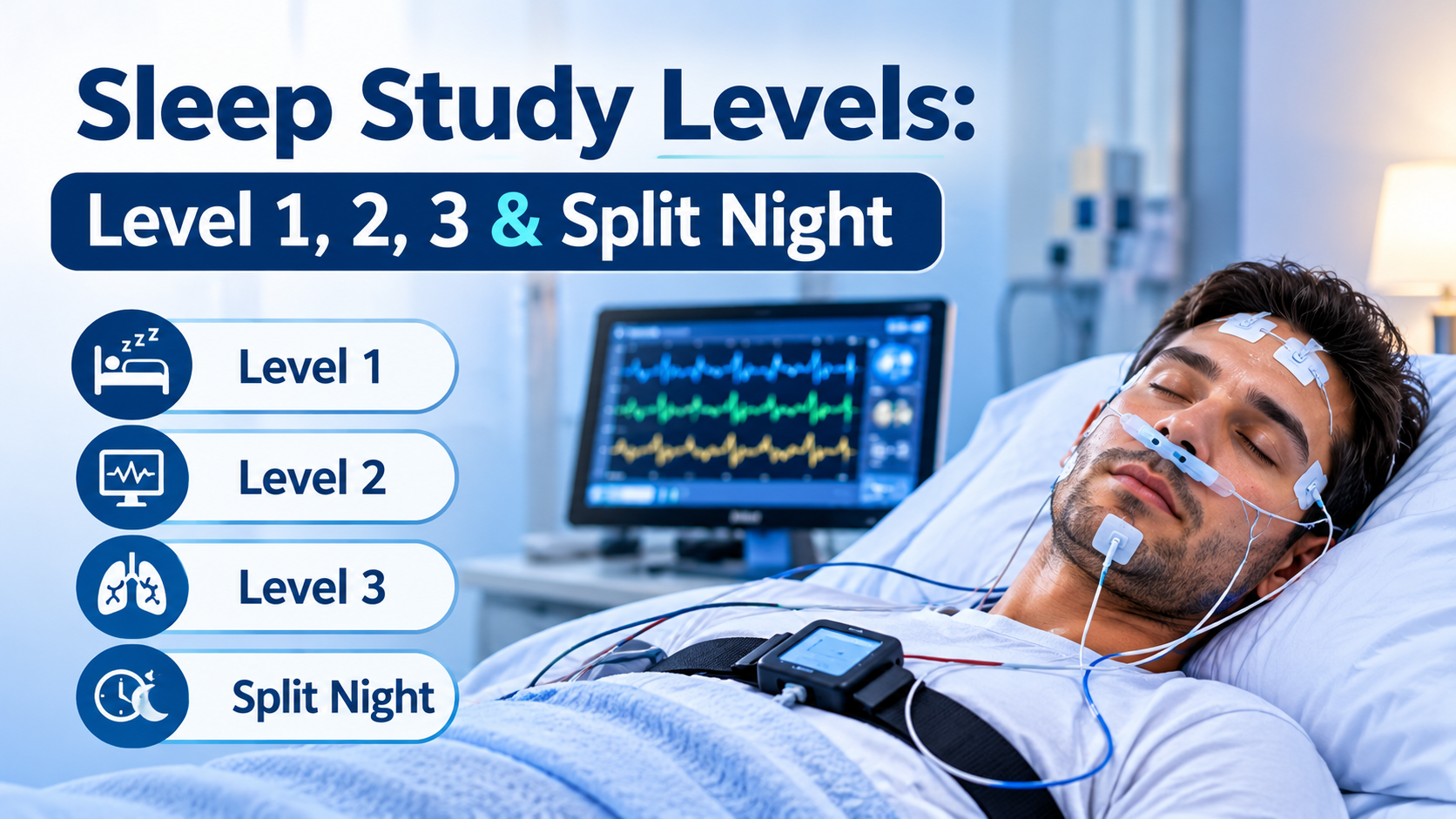
Breathenest offers sleep testing options, including level 2 and level 3 sleep study services, with home-testing and sleep lab options listed on its website.
The sleep study offerings by Breathenest are available to people who require an assessment of sleep related breathing concerns and other symptoms that may require further clinical evaluation.
Based on the test you select for yourself, the available monitoring may include breathing related signals, oxygen saturation, heart rhythm, brain activity, and other physiological measurements.
Breathenest also offers overnight oxygen monitoring, which records oxygen saturation and pulse rate during the monitoring period. This is a separate monitoring service and should not be confused with a full polysomnography test.
Important: The right diagnostic test should be selected by a healthcare professional based on the symptoms found and medical history. An oximeter or home monitoring device alone should not be treated as a confirmed diagnosis.
Sleep Disorder Diagnosis FAQs
1. How do doctors test for sleep disorders?
Ans: Doctors generally start with your history and may ask for a sleep log. Moving ahead, testing can include actigraphy, an overnight sleep study (polysomnography), and a multiple sleep latency test. Sleep history and activities alone are enough to diagnose many sleep disorders.
2. How can you check if you have a sleeping disorder?
Ans: Sleeping disorder common signs are daytime sleepiness despite a full night’s sleep, taking a long time to fall asleep, and waking often. However, a health expert’s suggestion and recommendation is required before reaching a conclusion on a sleep disorder condition.
3. Can a sleep disorder be diagnosed without a sleep study?
Ans: Yes, some sleep conditions like restless legs syndrome and insomnia can be diagnosed through clinical assessment and medical history. However, other conditions might require objective sleep testing.
4. What can show up on a sleep study?
Ans: A sleep study tracks brain waves, eye movements, muscle activity, and heart rate and rhythm. The various conditions it can help diagnose include sleep apnea, narcolepsy, parasomnias, periodic limb movement disorder, and REM sleep behavior disorder.
5. What is the most common sleep disorder?
Ans: Obstructive Sleep Apnea, Bruxism, and Insomnia are the most common sleep disorders.